
Knee Replacement
Relieving Pain.
Restoring Your Movement.
Advanced knee replacement surgery focused on relieving pain, restoring joint function and helping patients return to a more active life.
What Is Knee Replacement?
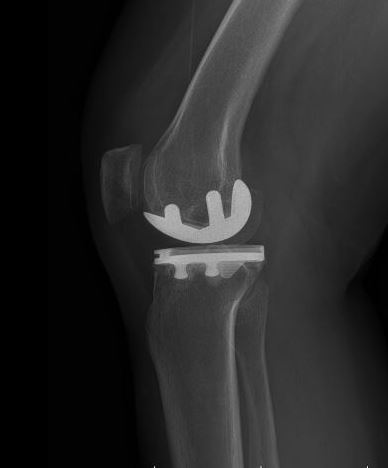
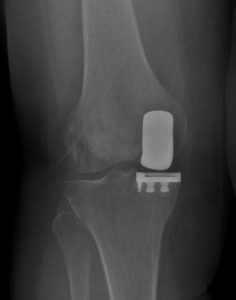
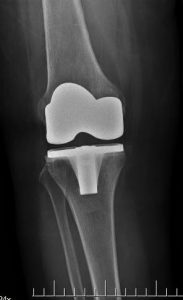
Knee replacement is a surgical procedure in which the damaged cartilage of the knee joint is removed and replaced with a metal joint implant attached to the thigh bone (femur) and shin bone (tibia). In most cases, bone cement is used to secure the prosthesis to the femur and tibia.
Following total knee replacement, the 10–15-year success rate ranges from approximately 85% to 93%. Factors that can improve the likelihood of success include patient compliance and the use of high-quality implants placed with appropriate surgical techniques.
What Are the Advantages of Knee Replacement?
- The ability to correct deformities of the knee
- Addressing cartilage damage caused by osteoarthritis and enabling pain-free joint movement
- Helping patients perform their daily activities without pain and allowing a functional range of joint motion
What Are the Alternatives to Knee Replacement?
Non-surgical treatments, including medication and physical therapy and rehabilitation, may be preferred in the treatment of osteoarthritis (gonarthrosis).
It should be remembered that anti-inflammatory medications may have various side effects, particularly affecting the digestive system. In cases of advanced arthritis of the knee, exercise alone cannot reverse the condition. However, exercise remains beneficial for overall physical health.
If a patient continues to experience symptoms despite these treatments and has difficulty performing daily activities, knee replacement may become an appropriate treatment option.
What Are the Potential Outcomes of Knee Replacement?
The results of knee replacement surgery may vary depending on the patient’s age, bone quality, severity of the disease, and the surgical technique used.
The choice of prosthesis at each stage is determined by considering the patient’s age, expectations, symptoms, and clinical condition.
Although knee replacement generally has a high success rate of approximately 93% at 10-year follow-up, this rate may decrease due to complications such as loosening of the prosthesis.
Patients can generally walk without a cane, climb and descend stairs, and participate in their usual daily physical activities. If problems develop in the long term, revision surgery is possible, and although the outcomes of revision surgery may not be as favorable as those of the initial procedure, good results can still be achieved.
What Factors Increase the Chance of Success After Knee Replacement?
In patients undergoing knee replacement surgery, the rehabilitation process, particularly during the early postoperative period, is one of the most important factors determining surgical success and patient satisfaction.
The goals of rehabilitation following knee replacement include achieving pain-free movement as soon as possible, regaining the necessary minimum range of joint motion, and achieving functional independence.
For this reason, to improve the outcome after surgery, patients are expected to follow the exercises recommended by their doctor as carefully as possible, along with all other postoperative instructions and recommendations.
What Complications Can Occur After Knee Replacement?
The likelihood of complications following knee replacement ranges from approximately 1% to 3%. Adhering to aseptic and appropriate surgical techniques, ensuring proper patient follow-up, and administering postoperative medications appropriately can help reduce the risk of complications.
During surgery, a tourniquet is placed around the thigh to control bleeding. Similar to the cuff of a blood pressure monitor, it is inflated with air. Pressure from the tourniquet may occasionally affect the muscles and nerves in the area, potentially causing numbness or weakness.
Blood clots, known as deep vein thrombosis (DVT), may develop in the operated leg. Blood-thinning medications and compression bandages are generally used to help prevent this condition.
A wound infection may also develop. This may require antibiotic treatment, additional surgery, and potentially removal of the knee prosthesis.
Artificial implants may loosen or wear out over time. In such cases, surgical removal of the prosthesis and replacement with a new implant may be necessary.
What Is Prosthesis Infection and How Can It Be Prevented?
Infection is one of the most serious complications that can occur following knee replacement. According to the literature, the rate of infection after prosthetic joint surgery ranges from approximately 1% to 2%.
To help prevent prosthesis infection, it is important for patients to take prescribed antibiotics on time and for appropriate aseptic techniques to be followed during surgery.
Patients with a knee prosthesis should also remain alert to infections that may develop later, such as throat infections, urinary tract infections, and gum infections. If symptoms such as burning during urination, a dental abscess, or a severe throat infection occur, patients should seek medical attention promptly and receive appropriate treatment.
Bacteria from infections elsewhere in the body can enter the bloodstream and attach to the prosthesis, potentially causing a prosthetic joint infection.
How Can We Recognize a Prosthesis Infection and How Is It Treated?
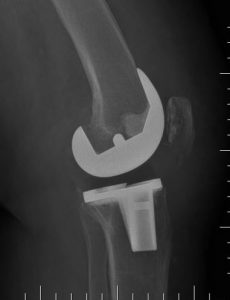
Drainage from the wound, redness, increased warmth, restricted movement, and pain following knee replacement may indicate a prosthetic joint infection.
For a definitive diagnosis, blood tests should be performed and imaging obtained. If possible, a sample should also be taken from inside the knee for microbiological analysis.
If the infection occurs during the early postoperative period, antibiotic treatment may be administered. If symptoms persist despite antibiotic therapy, the prosthesis may need to be cleaned surgically or completely removed.
If the prosthesis is removed, all infected tissues are cleaned. A temporary antibiotic-loaded joint implant is then placed, and antibiotic treatment appropriate for the causative bacteria is initiated.
The duration of treatment varies depending on the severity of the infection, the characteristics of the bacteria, and the effectiveness of the treatment, ranging from approximately 6 weeks to 3 months.
Once the infection has been confirmed to have completely resolved, revision knee replacement surgery can be performed.

Follow my journey, cases and health tips on Instagram.

Stay updated for the latest treatments, patient stories and useful health tips.
