
Hip Replacement
Restoring Comfort.
Reclaiming Movement.
Advanced hip replacement techniques focused on relieving pain, restoring joint function and helping patients return to an active lifestyle.
What Is Hip Replacement?
Hip replacement surgery is an effective treatment method currently used to treat many conditions affecting the hip. The aim of hip replacement surgery is to provide patients with a pain-free life while restoring full hip function.
When Is Hip Replacement Surgery Needed?
- Hip Osteoarthritis: Hip replacement may be recommended for patients who develop significant pain and severe restriction of hip movement due to osteoarthritis when other treatments, such as pain medication and physical therapy, have failed.
- Hip Fractures: Particularly in older patients, some fractures involving the femoral neck have limited potential to heal. In such cases, the fractured bone is surgically removed and replaced with a prosthesis to preserve hip function. Hip replacement surgery is often necessary in these situations.
- Avascular Necrosis of the Hip: Avascular necrosis occurs when part of the blood supply to the femoral head loses its function, causing the living bone tissue to die and eventually collapse. Although it may occur due to long-term and/or high-dose corticosteroid use or alcoholism, the cause remains unknown in many cases. In advanced stages of avascular necrosis (AVN), or when other treatment methods are insufficient, hip replacement may be used.
How Long Does a Hip Replacement Last?
The lifespan of a hip replacement depends on individual patient factors such as age, sex, body weight, and activity level.
With appropriate surgical technique and high-quality implants, the lifespan of a hip replacement can reach 20 years. In overweight patients and those with highly active lifestyles, including strenuous sports or physically demanding work, the lifespan of the prosthesis may be shorter.
When a hip replacement reaches the end of its functional lifespan, patients may begin to experience pain and gradually worsening symptoms. This may be caused by loosening or wear of the prosthesis. In such cases, the worn or loosened components of the prosthesis can be replaced.
What Are the Potential Outcomes of Hip Replacement?
The results of hip replacement treatment may vary depending on the patient’s age, bone quality, severity of the condition, and the surgical technique used.
The choice of prosthesis is determined according to the patient’s age, expectations, symptoms, and clinical condition.
Although hip replacement generally has a high success rate, this may decrease if complications such as loosening of the prosthesis occur. Patients are generally able to walk without a cane, climb and descend stairs, and perform their daily activities.
What Complications Can Occur After Hip Replacement?
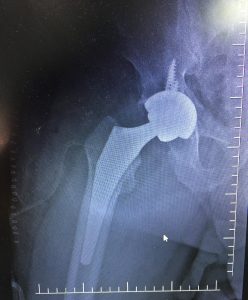
The likelihood of complications following hip replacement ranges from approximately 1% to 3%. The use of appropriate aseptic and surgical techniques, proper patient follow-up, and appropriate postoperative medication can help reduce the risk of complications.
Blood clots, known as deep vein thrombosis (DVT), may develop in the operated leg. Blood-thinning medications and compression bandages are generally used to help prevent this condition.
A wound infection may also develop. This may require antibiotic treatment, additional surgery, and potentially removal of the hip prosthesis.

Follow my journey, cases and health tips on Instagram.

Stay updated for the latest treatments, patient stories and useful health tips.
